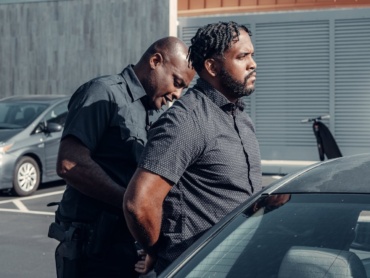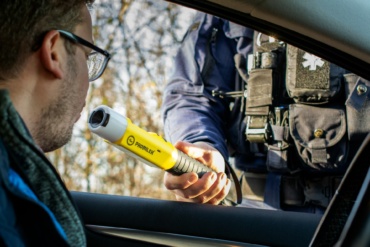

What to Do When Your Civil Rights Are Violated in Delaware County, Pennsylvania
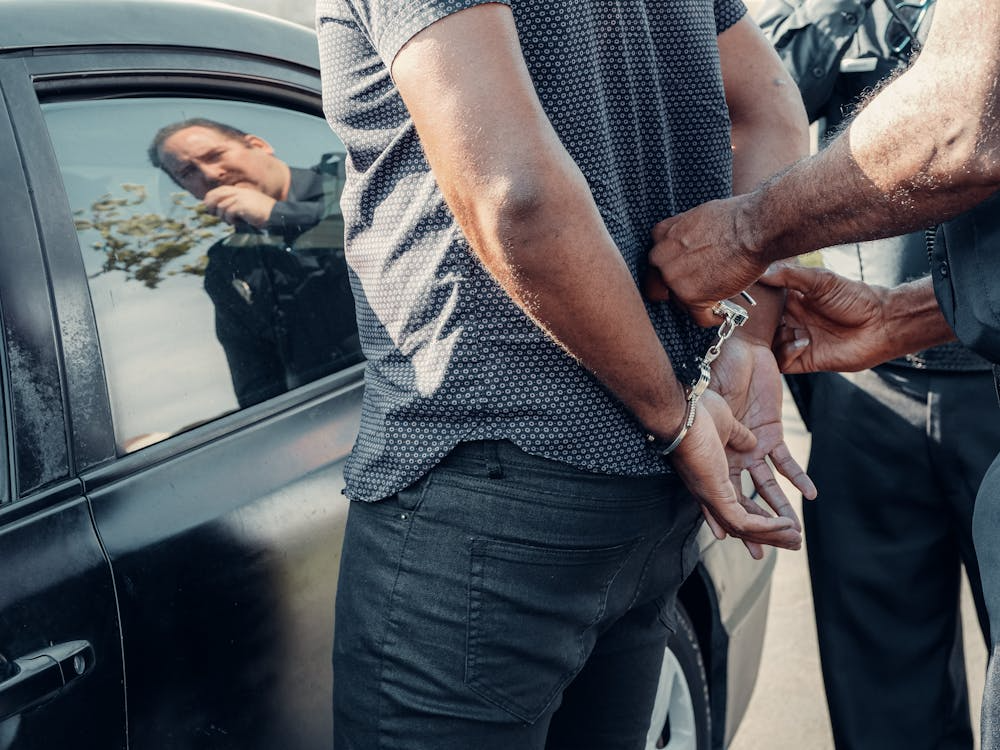
If you’ve been stopped without cause, arrested unlawfully, injured by law enforcement, or denied your rights by a government official, you may be asking yourself the same questions our clients ask every day: Did this cross a legal line? Do I have any options? Where do I even start?
Those feelings of confusion and frustration are completely understandable especially when the person who violated your rights holds a badge or public authority. Civil rights cases in Delaware County, Pennsylvania are among the most complex in the legal system, and the decisions you make in the first days after an incident can significantly affect your ability to take action later.
This article will walk you through exactly what to do after a potential civil rights violation from protecting yourself in the moment, to preserving evidence, to understanding when and how to pursue a legal claim. By the end, you’ll know whether your situation may warrant speaking with an attorney and what that conversation would look like.
Get Exclusive Legal Help Today!
What Is a Civil Rights Violation?

A civil rights violation occurs when a government official or agency interferes with rights protected by the U.S. Constitution or federal law.
These protected rights include:
- Freedom of speech and peaceful assembly
- Protection from unreasonable searches and seizures
- Equal protection under the law
- Due process before being deprived of liberty or property
In most cases, civil rights violations involve actions taken under color of law, meaning the individual used authority granted by a government position.
Before you file anything official, it’s worth a five-minute conversation. Submitting a complaint with the wrong details or to the wrong agency can actually be used against you. At McGarrigle Law Firm, we’ll review what happened, explain your realistic options, and tell you what filing would mean for your case. No pressure, no commitment.
Talk To A Civil Rights Attorney Before You File Anything
Should You File a Complaint Before Speaking With a Lawyer
No, you should not file a complaint before speaking with a lawyer. Consulting a lawyer first helps you understand your legal rights, potential risks, and the strength of your case. Filing a complaint without proper legal guidance can lead to mistakes, missed deadlines, or statements that may weaken your position later. A lawyer can advise you on whether filing is appropriate, where and how to file, and what evidence should be included.
What You Should Do If Your Civil Rights Are Violated
The steps below explain what to do immediately after a civil rights violation and how to protect yourself and your legal options under Pennsylvania and federal law.
Step 1: Prioritize Your Safety Above Everything ElseStep

Your safety must come first in any encounter involving potential constitutional protections being violated. If the incident is ongoing, avoid arguing, resisting, or escalating the situation, even if you believe your constitutional rights are being violated. Escalation can increase the risk of injury or arrest.
Civil rights violations are not resolved during the encounter. Instead, they are addressed afterward through formal legal channels such as internal complaints, civilian review boards, administrative investigations, or civil rights lawsuits. The priority at the moment is to remain calm and protect yourself from further harm.
Step 2: Write Down What Happened Immediately

As soon as it is safe to do so, write down everything you remember about the incident while the details are still fresh. Early documentation is often critical in Pennsylvania civil rights cases, as accurate records can strengthen your claim and preserve important evidence.
Be sure to document the following information:
- Date, time, and exact location of the incident
- Names, badge numbers, and agency or employer information, if applicable
- What was said and what actions occurred, written clearly in your own words
- Names and contact information of any witnesses who saw or heard what happened
Detailed notes created soon after a civil rights violation can play a key role in investigations, complaints, and civil rights lawsuits under Pennsylvania and federal law.
Step 3: Preserve All Evidence Carefully

Preserving evidence is a critical step after a civil rights violation. Courts, investigators, and oversight agencies rely heavily on original, unaltered evidence when evaluating civil rights claims. Failing to preserve evidence can weaken or even harm your case.
Important evidence may include:
- Photos or videos taken at the scene or shortly after the incident
- Body-camera footage or surveillance video, if available
- Medical records and photographs of injuries
- Police reports, citations, incident reports, or other official documents
To protect your legal rights, do not:
- Edit, crop, or alter photos, videos, or files in any way
- Delete messages, recordings, or digital evidence
- Post evidence on social media or share it publicly
Properly preserving evidence can make a significant difference in civil rights investigations and lawsuits under Pennsylvania and federal law.
Step 4: Seek Medical Attention as Soon as Possible
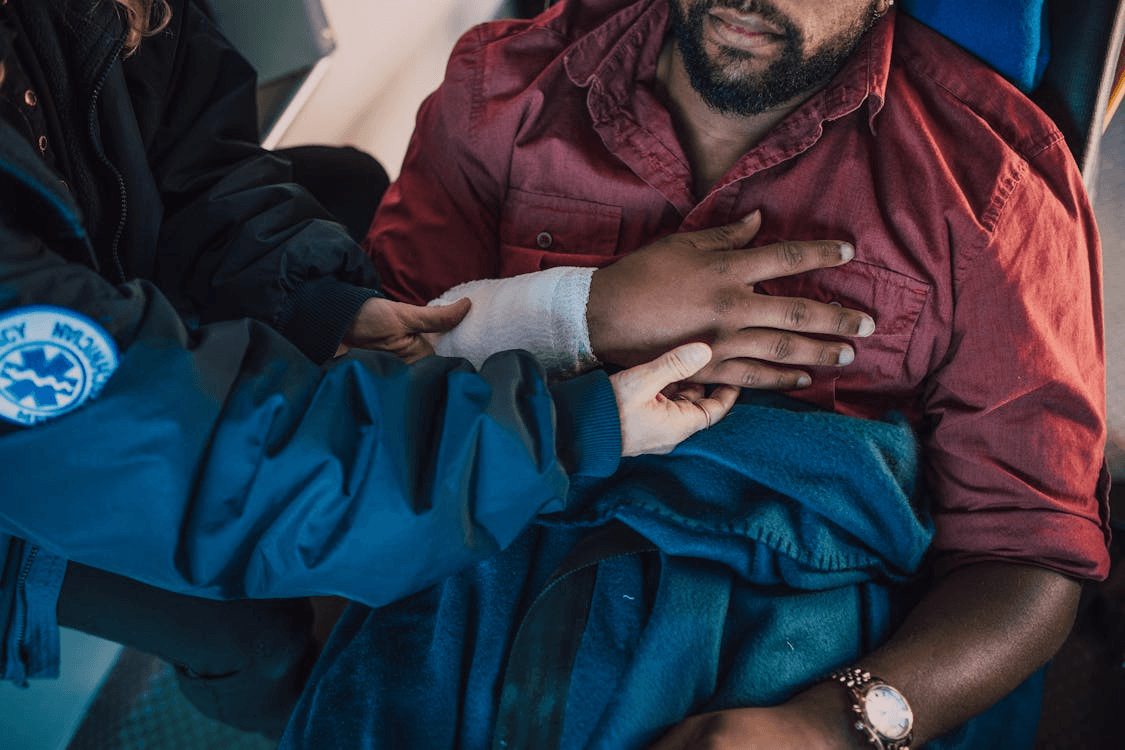
If you were injured during the incident, seek medical care immediately or as soon as it is safe to do so. Prompt medical treatment protects your health and creates important documentation that may be used in civil rights complaints and legal claims.
Medical attention matters because:
- Medical records help establish when injuries occurred and how serious they were
- Delays in treatment can weaken credibility and allow opposing parties to question the cause of your injuries
- Medical documentation helps connect your injuries directly to the incident, which is critical in Pennsylvania and federal civil rights cases
Seeking timely medical care can significantly strengthen both your recovery and your legal position.
Step 5: File an Official Civil Rights Complaint

In many cases, filing an official complaint is an important step after a civil rights violation. Depending on the facts, Pennsylvania law allows complaints to be submitted to internal agencies or government oversight bodies to document misconduct and initiate review.
Possible complaint options may include:
- A police department’s Internal Affairs division
- A civilian review or police oversight board, where available
- State or federal oversight agencies, depending on the nature of the violation
Even when no immediate discipline occurs, filing a complaint creates a formal record of the incident. This record may later support a civil rights investigation, settlement negotiations, or a lawsuit under Pennsylvania or federal law.
Step 6: Avoid Making Public Statements

After a civil rights incident, it is important to limit what you say publicly. Posting on social media, giving interviews, or discussing details online can unintentionally damage your legal claim.
Keep the following risks in mind before speaking publicly:
- Social media posts can be taken out of context or misinterpreted
- Public statements may be preserved and used as evidence against you
- Comments made early can conflict with later evidence or testimony
In most situations, it is best to consult with a lawyer before speaking publicly. Legal guidance can help protect your rights and prevent statements that could weaken your case.
Step 7: Speak With a Qualified Civil Rights Attorney

Civil rights law is technical, and the mistakes people make by going it alone are almost always the same: missed deadlines, incorrect paperwork, statements made to investigators that hurt the case, and complaints filed with the wrong agency entirely.
Pennsylvania civil rights claims often carry strict statutes of limitations in some cases as short as two years from the date of the incident. Miss that window, and your right to file is gone, regardless of how strong your case is. Courts also expect exact documentation, proper legal citations, and correct service of process. A procedural error doesn’t just delay your case it can end it.
The consultation itself costs you nothing. It’s a confidential, no-obligation conversation where you’ll find out whether your situation qualifies, what evidence you should be protecting right now, and what a realistic path forward looks like. You’re not committing to a lawsuit, you’re getting the information you need to make a smart decision.
Find Out If Your Situation Qualifies – Free, Confidential Consultation
How Can Government Actions Violate Civil Rights in Pennsylvania?
Government actions may violate civil rights when a public agency, department, or official unlawfully interferes with rights protected by the U.S. Constitution or federal civil rights laws. In Pennsylvania, these violations can result from formal government policies, improper procedures, or individual decisions made by officials acting in an official capacity.
Civil rights laws apply to local, state, and federal government entities operating in Pennsylvania. When government actions exceed constitutional limits or fail to provide required legal protections, individuals may have grounds to raise civil rights concerns.
Common Examples of Government Civil Rights Violations
Civil rights violations by government entities may include, but are not limited to:
- Denial of public benefits without due process, such as terminating benefits without proper notice or an opportunity to challenge the decision
- Discriminatory enforcement of laws or regulations, including unequal treatment based on race, ethnicity, religion, gender, or other protected characteristics
- Retaliation for protected speech, such as adverse actions taken in response to lawful protests, complaints, or criticism of government conduct
- Improper restrictions on voting or public participation, including barriers that limit lawful access to elections or public forums
How Do Police Officers Violate Civil Rights?
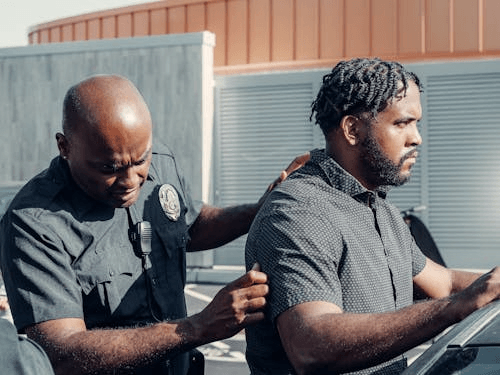
Police officers are granted significant authority to enforce the law, which is why civil rights violations involving law enforcement are among the most commonly reported. Officers are required to respect constitutional protections during stops, searches, arrests, and uses of force. When that authority is misused or exceeds legal limits, it may result in a civil rights violation.
Civil rights laws apply to local, county, state, and federal law enforcement officers. Violations may arise from individual conduct, inadequate training, or departmental practices that fail to respect constitutional protections.
Common Examples of Police Civil Rights Violations
Potential civil rights violations by police may include:
- Arrests made without probable cause or lawful justification
- Excessive or unreasonable use of force, including force against non-resisting individual
- Searches of a person, vehicle, or phone without a warrant or valid legal exception
- Detaining someone based solely on race, ethnicity, or another protected characteristic
- Arresting, threatening, or retaliating against someone for lawfully recording police activity
- Denying medical care to a person while in police custody
When Can You File a Civil Rights Claim Under Section 1983?
A civil rights lawsuit against a government official may be filed when a state or local government official violates a constitutional or federally protected right while acting under government authority. These claims often arise in cases involving police misconduct, unlawful arrests, excessive force, or other abuses of official power.
To establish a Section 1983 claim, a plaintiff generally must show that the defendant acted under color of law, that a constitutional or federal right was violated, and that
the violation caused harm or injury.
Section 1983 cases are civil, not criminal, and are intended to provide legal remedies for rights violations, which may include financial compensation or court-ordered changes to unlawful practices.
Final Thoughts
The longer a civil rights violation goes unaddressed, the harder it becomes to act. Evidence disappears. Witnesses’ memories fade. Deadlines pass quietly and in Pennsylvania, once they’re gone, they’re gone for good.
You may have a viable claim if you were stopped, searched, or arrested without legal justification; if you were subjected to excessive force by a police officer; if a government official retaliated against you for exercising a constitutional right; or if you were denied due process by a public agency. These are the most common civil rights scenarios we see and many people who came to us weren’t sure they had a case until we reviewed the facts together.
The sooner you find out where you stand, the more options you have. A free consultation costs you nothing and gives you a clear picture of what’s possible.
If you’ve read this far, you’re probably wondering whether what happened to you actually crosses a legal line and whether it’s worth doing something about it. That’s exactly the conversation we’re here to have.
When you contact McGarrigle Law Firm, you won’t fill out a form and wait. You’ll speak directly with an attorney who handles civil rights cases in Delaware County and throughout Pennsylvania. We’ll listen to what happened, ask the right questions, and give you a plain-language answer about whether your situation may support a legal claim.
Everything you share with us is completely confidential. There’s no obligation, no sales pitch, and no pressure to hire us. Our goal for that first conversation is simple: to make sure you understand your rights and your options, so you can make the best decision for yourself.
Speak Confidentially With an Attorney – No Obligation
📞 Delaware PA: 610.566.3010 📞 Philadelphia: 215.701.4653
No forms. No waiting. No pressure.
Frequently Asked Questions
A: A civil rights violation occurs when a government official or agency interferes with rights protected by the U.S. Constitution or federal law. Common examples in Delaware County and throughout Pennsylvania include police misconduct such as unlawful arrests, excessive force, and racial profiling, as well as discrimination based on race, gender, religion, or disability in workplaces, schools, or public institutions.
A: Civil rights are legal guarantees protecting individuals from discrimination and ensuring equal treatment under the law. Five key examples include the right to vote, the right to a fair trial, freedom from discrimination in employment, equal access to public accommodations, and the right to fair housing. When any of these rights are violated by a government official or agency in Delaware County, you may have grounds for a civil rights claim.
A: If your civil rights are violated in Pennsylvania, you may be entitled to file a formal complaint with an oversight agency or pursue a civil rights lawsuit. Depending on the facts of your case, legal remedies may include financial compensation for damages and other relief available under Pennsylvania or federal law. The most important first step is consulting a qualified civil rights attorney before taking any official action.
A: In some circumstances, yes. Federal law recognizes certain civil rights violations as criminal offenses, which can carry serious penalties including prison time. However, most cases pursued by individuals in Delaware County are civil matters, not criminal prosecutions. A civil rights lawsuit seeks compensation and accountability for the person harmed. An attorney can explain which legal avenue applies to your specific situation.
A: Police officers may violate civil rights by making arrests without probable cause, using excessive or unreasonable force, conducting searches without a warrant or valid legal exception, detaining someone based solely on race or ethnicity, retaliating against someone for lawfully recording police activity, or denying medical care to someone in custody. These are among the most commonly reported civil rights violations in Delaware County and throughout Pennsylvania.
A: To prove a civil rights violation in Pennsylvania, you generally need to establish three things: that a government official acted under color of law, that a constitutional or federally protected right was violated, and that the violation caused measurable harm or injury. Strong documentation, medical records, witness statements, and video footage can significantly strengthen your case. An attorney can assess the specific evidence in your situation during a free consultation.
About Author

Search
Categories
Recent Posts
- What Is Unlawful Contact With a Minor in PA?
- Under Investigation for Financial Fraud in Pennsylvania? Here’s What to Do Before Charges Are Filed
- False Accusations of Sexual Assault: How a Defense Attorney Challenges the Evidence
- How Long Does a Criminal Appeal Take? Timeline Explained
- What to Do Immediately After Being Charged With a Crime
Related Posts