
Open Carry vs. Concealed Carry in PA: What’s the Difference and Which Is Legal?
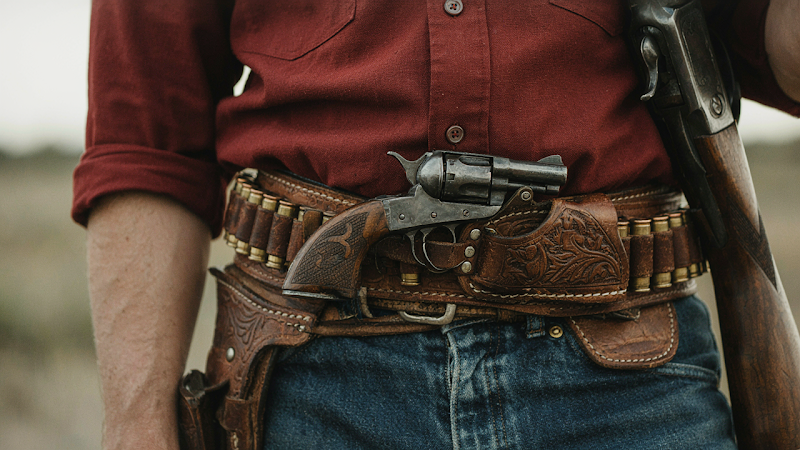
When people compare open carry vs. concealed carry in Pennsylvania, the rules are not the same. Open carry means the gun is visible. In most of Pennsylvania, adults 18 or older can do that without a license.
Concealed carry means the gun is hidden. That always needs a License to Carry Firearms (LTCF) in Pennsylvania. Many gun owners think the two carry styles work the same way. They do not. Mixing them up is one of the most common ways lawful gun owners face criminal charges.
Pennsylvania law treats these carry methods differently. The rule can change based on where you are, whether you are in a car, and whether you have a license. Knowing the right rule can keep a normal day from turning into an arrest.
Get Exclusive Legal Help Today!
What Open Carry Means in Pennsylvania
Open carry means the gun is visible. It is not hidden under clothing or in a bag. In most of Pennsylvania, adults 18 or older can open carry without a license. They still must be able to legally own a gun.
Philadelphia is the only first-class city in the state. In Philly, you need an LTCF to open carry. Outside the city, that rule does not apply when you are on foot.
What Concealed Carry Means in Pennsylvania
Concealed carry means the gun is hidden from plain view. It may be under clothing, in a purse, or in a jacket pocket. Unlike open carry, concealed carry needs an LTCF everywhere in Pennsylvania. There are no city or county exceptions.
Pennsylvania is a shall-issue state. That means if you meet the rules, the county sheriff must approve the license.
There is no required training or live-fire test. That makes the license easier to get than in many states. But easy does not mean optional. Carrying concealed without one can be charged as a third-degree felony or a first-degree misdemeanor. Which charge applies depends on two things. One is whether you would qualify for a license. The other is whether your record blocks it.
If you’re facing charges for carrying without the right license, a gun crime lawyer can help early, before the case moves further.
The Vehicle Carry Trap
The concealed vs. open carry rule gets tricky in a car.
Pennsylvania courts often treat a loaded handgun in a vehicle as concealed. That can be true even if the gun sits in plain sight on the passenger seat. That means you usually need an LTCF to carry a loaded handgun in a car, even if open carry is fine on foot.
Key Differences at a Glance
- License required: Open carry is usually no, except in Philly. Concealed carry yes, everywhere.
- Minimum age: Open carry, 18. Concealed carry with an LTCF, 21.
- Vehicle transport: Usually treated as concealed, so an LTCF is needed.
- Philly: Both open and concealed carry need an LTCF.
- Penalty: Can range from a misdemeanor to a felony based on your status and the facts.
Where Neither Method Is Allowed
Even with a license, both open carry and concealed carry are banned in some places. Schools, courthouses, and federal buildings are usually off-limits. Private owners can also ban guns with posted signs. Ignoring a sign can add a trespass charge to a gun charge.
During a declared state of emergency, some places may also limit carry to LTCF holders. That can apply even to open carry.
Which One Should You Choose?
For most people in Pennsylvania, the safest and most flexible choice is getting an LTCF, no matter which method you prefer. It covers concealed carry, vehicle transport, and open carry in Philly.
It also closes gaps where an unlicensed carrier could break the law by mistake. If you only plan to open carry on foot outside Philly, you can skip the license. But you lose flexibility the moment you get in a car or cross into the city.
Bottom Line
Open carry and concealed carry are not alike under Pennsylvania law. Open carry is mostly unrestricted outside Philly, while concealed carry always needs a license. The rule changes fast in a vehicle, where open carry can count as concealed.
If you are comparing concealed weapons vs. open carry, the key issue is visibility. Knowing which rule fits your situation before the police stop you is the point of understanding this law.
Frequently Asked Questions
A: No, not in most of the state. Philly is the exception, and an LTCF is required there.
A: No. Long gun open carry does not need a license anywhere in PA, including Philly. The LTCF rule is for handguns.
A: It can be charged as a third-degree felony or a first-degree misdemeanor. Which one applies depends on whether you would qualify for a license and whether your record blocks it.
A: No. Pennsylvania needs a license for concealed carry statewide and for open carry in Philly. It is not a permitless carry state.
A: Open carry means the gun is visible to people nearby. Concealed carry means it is hidden from view, under clothing, in a bag, or in a covered holster. In Pennsylvania, that difference matters for licensing: open carry is usually unrestricted outside Philly, while concealed carry always needs an LTCF.
About Author

Search
Categories
Recent Posts
- Open Carry vs. Concealed Carry in PA: What’s the Difference and Which Is Legal?
- What Is Unlawful Contact With a Minor in PA?
- Under Investigation for Financial Fraud in Pennsylvania? Here’s What to Do Before Charges Are Filed
- False Accusations of Sexual Assault: How a Defense Attorney Challenges the Evidence
- How Long Does a Criminal Appeal Take? Timeline Explained
Related Posts